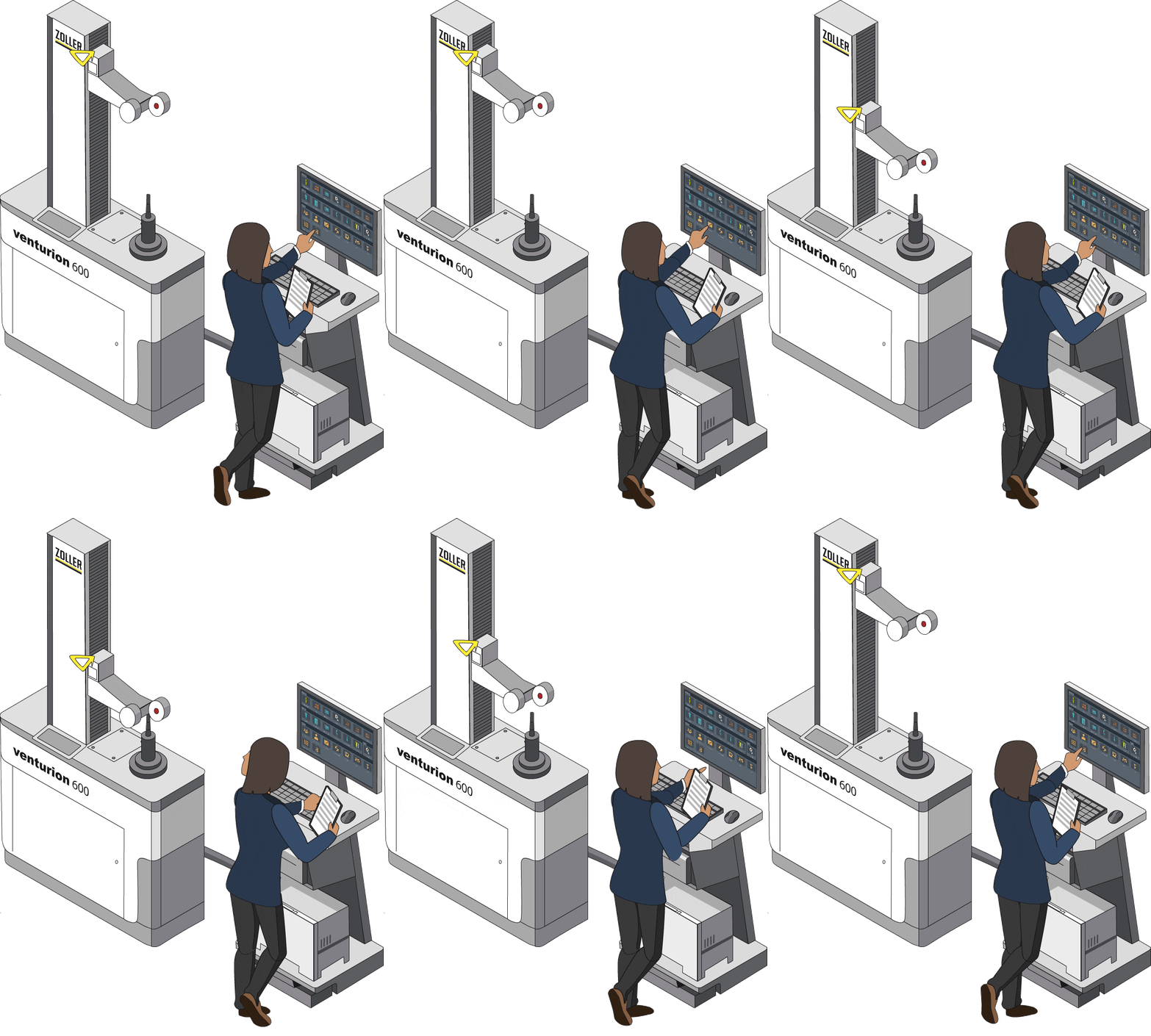
Tool Data Management (TDM)
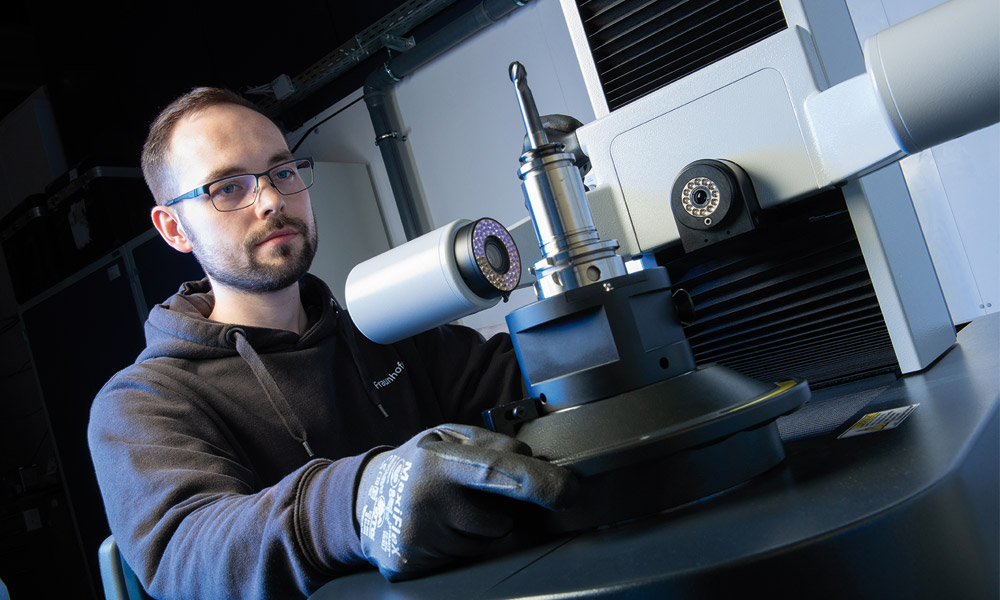
Tool Data Management (TDM)
Digital Tool Management and Tool Data
Tools directly influence machining quality, process stability, and manufacturing costs. Efficient and reproducible manufacturing requires that all tool-related information—spanning procurement, measurement, and machine usage—be recorded in a structured manner and made available across different systems. A TDM system handles this task: it centrally manages geometric tool data, tool assemblies, operating parameters, tool life, and usage histories throughout the entire tool lifecycle, making this data available directly within the machining process via integration with CAM systems and machines. Modern TDM systems also offer full traceability—tracking exactly which tool was used, when, and on which machine—thereby forming a crucial foundation for quality assurance and process analysis. Additionally, a tool presetter enables off-machine measurement and the direct transfer of geometry data to manufacturing systems.
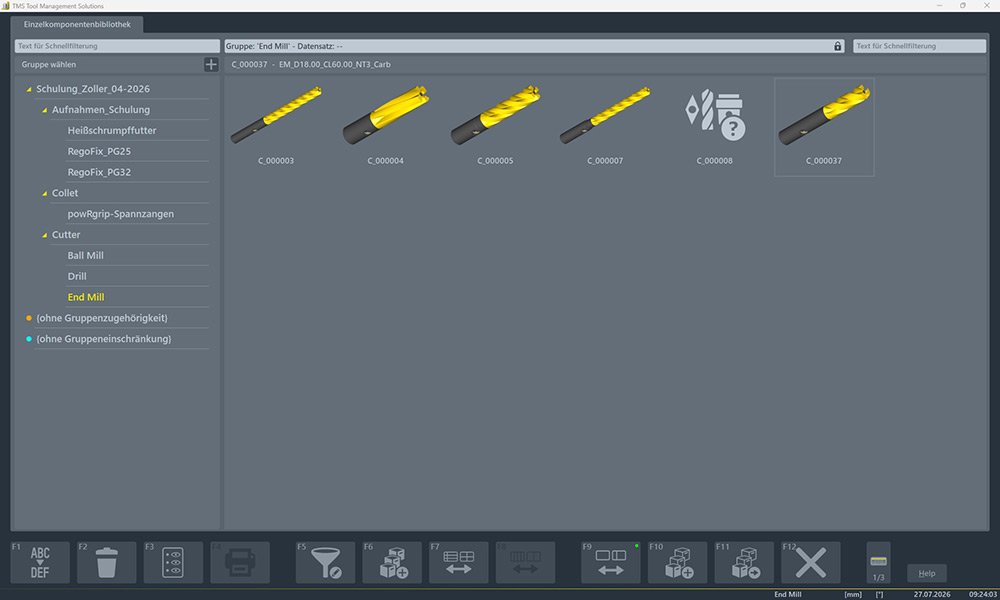
Tool Data Management (TDM)
Practical example: compressor blade
At Fraunhofer IPT, structured tool data management (using the ZOLLER venturion 450 presetter, including TMS) is employed as an integral part of digital production planning for complex aero-engine components. Precise knowledge of all tool parameters is essential for machining blisks, impellers, or turbine disks featuring geometrically demanding free-form surfaces. By ensuring the seamless digital availability of tool geometries, tool life data, and usage histories, Fraunhofer IPT establishes the foundation for reproducible, quality-assured, and cost-efficient manufacturing processes.
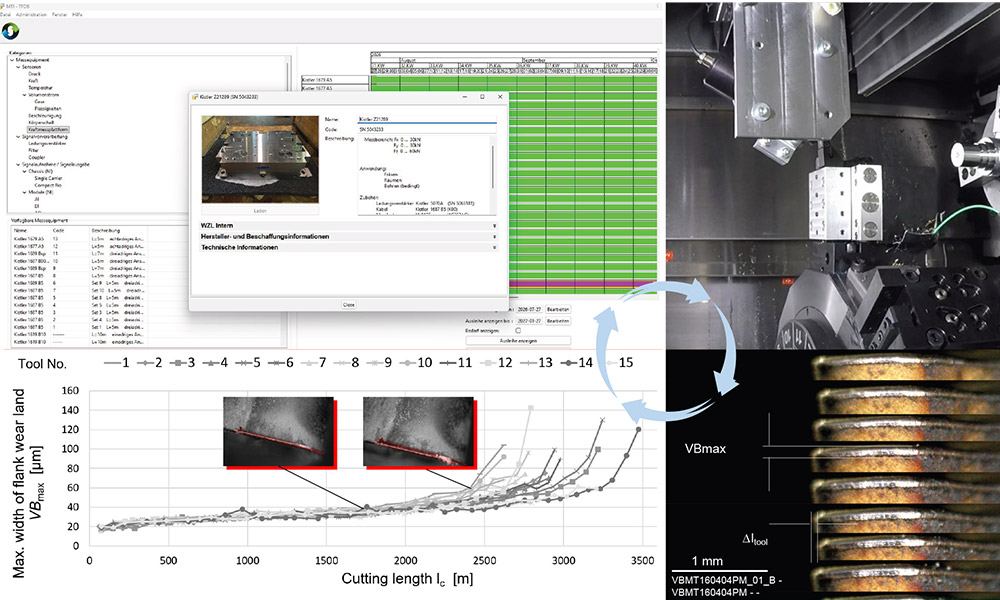
Tool Data Management (TDM)
Practical example: Pinion shaft
The MTI employs an end-to-end tool data management system for the structured recording and utilization of tool-related information. The focus is on selecting the appropriate tools based on continuously tracked data regarding tool life, usage history, and achieved machining quality. Tools and their associated assemblies are stored in association with specific trials and made retrievable for comparable applications. Geometric tool data, assemblies, and operating parameters are provided centrally and linked to the manufacturing systems. This supports reliable process execution as well as high, reproducible component quality. At the same time, empirically gathered, tool-specific information is available in a structured format, enabling its use for scientific analysis, modeling, and further data processing.