
Data Management for the Component Demonstrator
Industry and research place different demands on the handling of data, processes, and models. The following scenarios illustrate how the digital twin helps make complex interrelationships transparent and actionable in both sectors.
The industrial data management incubator demonstrates how production-relevant data from machines, processes, and software systems can be seamlessly captured, linked, and utilized.
The goal is to map industrial workflows transparently, reveal the relationships between process data and outcomes, and thereby establish the foundation for robust analyses, optimizations, and digital applications across the manufacturing process.

Compressor blade manufacturing (Aerospace)

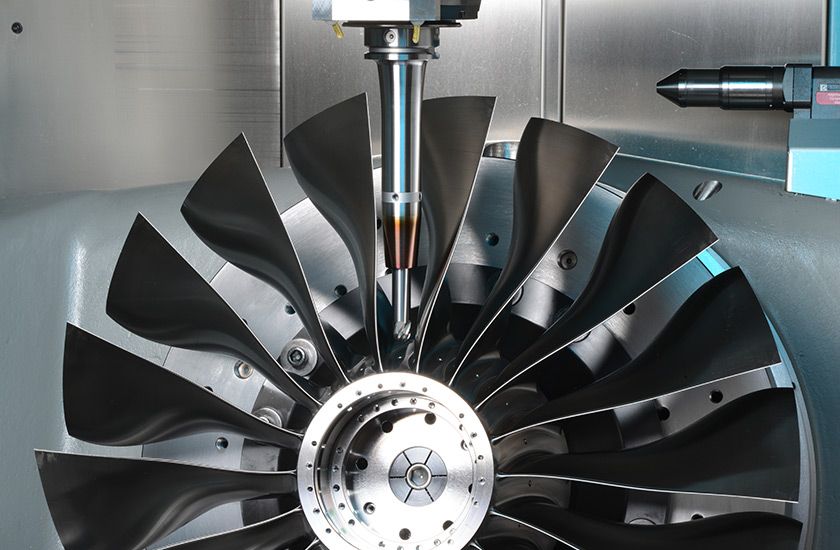
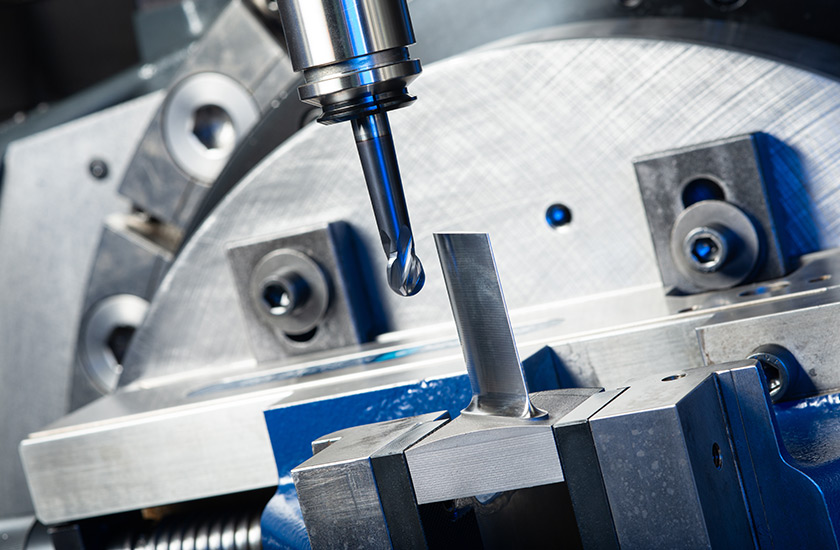
Ablisk (blade-integrated disk) consists of a rotor disk with blades that are integrally connected to the disk. This design reduces component weight and increases aerodynamic efficiency; it is used particularly in the compressors of modern aircraft engines. At the same time, the complex, thin-walled blade geometry places high demands on the manufacturing process.
In this project, the individual blade geometry serves as a component demonstrator to investigate the characteristic challenges of blisk manufacturing in a targeted and practical manner.
The research data management incubator demonstrates how research and process data can be captured in a structured manner, processed consistently, and utilized for scientific inquiries.
The focus is on creating a data foundation that enables transparent analysis, the comparison of results, and the development and validation of new methods and models within the context of the digital twin.

Pinion shaft manufacturing
(Automotive)

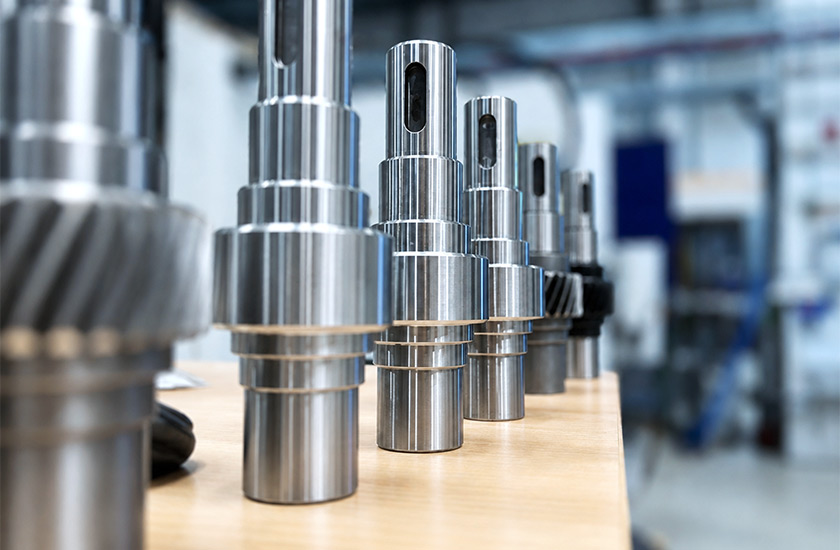
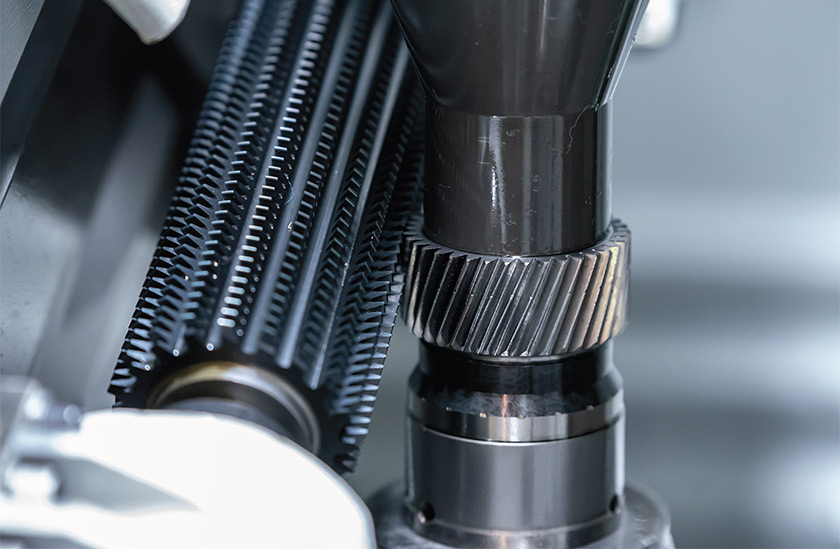
The pinion shaft is a key component in transmissions for electrified automotive applications, transmitting torque within the powertrain. Its production involves a multi-stage process comprising both soft and hard machining. Soft machining operations primarily include turning (image on the left) and gear cutting (image on the right).
A wide range of machine, process, and quality data is generated throughout the production chain. Within the Research Data Management incubator, this data is integrated to specifically enhance the productivity, robustness, and efficiency of near-production manufacturing processes.